Diabetes and Your Eyes: Why Regular Eye Care Matters
By: Judi Seltzer, MS, BSN,RN, CNOR, Director of Operations, Lions Saving Sight
Diabetes is a chronic condition that affects how your body processes sugar, but many people do not realize how much it can impact their vision. Over time, high blood sugar levels can damage the delicate blood vessels in the eyes, leading to serious eye problems that may cause permanent vision loss if not treated early. Understanding the connection between diabetes and eye health is important for protecting your sight.
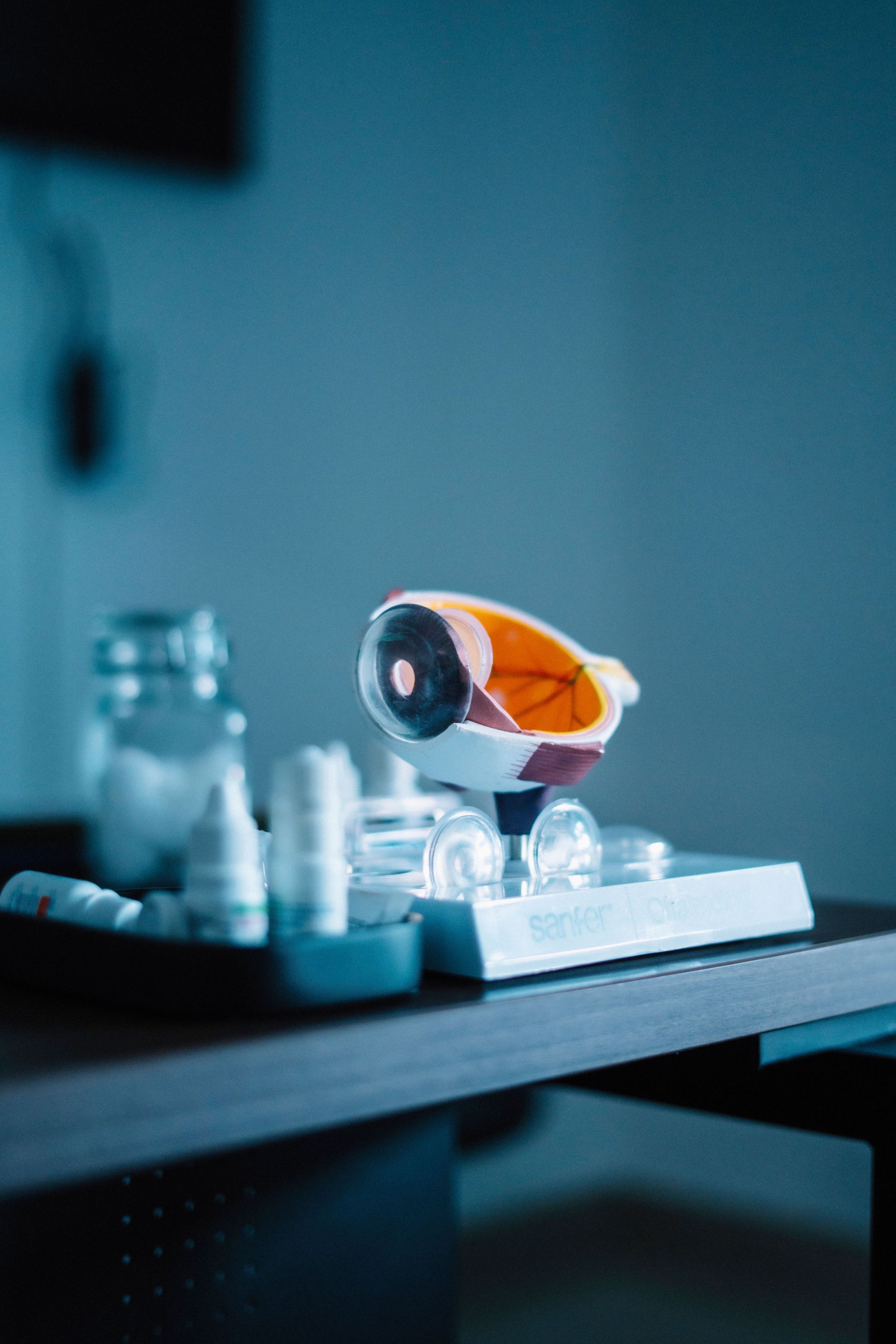
One of the most common eye conditions caused by diabetes is diabetic retinopathy. This condition occurs when high blood sugar damages the blood vessels in the retina, the part of the eye responsible for detecting light and sending signals to the brain. In the early stages, diabetic retinopathy may not cause noticeable symptoms, which is why many people do not realize they have it. As the condition progresses, it can lead to blurred vision, dark spots, and even blindness if left untreated.
The disease develops in two main stages. Non-proliferative diabetic retinopathy (NPDR) is the first stage, characterized by weakened blood vessel walls and early fluid leaks. If left untreated, NPDR can progress to proliferative diabetic retinopathy (PDR). In this later stage, abnormal new blood vessels grow in the eye, bleed easily, and can lead to scar tissue.
The biggest challenge with a diabetes-related eye disease is that damage can occur long before symptoms appear. Regular eye exams allow an eye doctor to detect early signs of disease and begin treatment before vision is affected. Early intervention is one of the most effective ways to prevent permanent vision loss.
Managing diabetes carefully is one of the best ways to protect your eyes. Keeping blood sugar levels under control helps reduce stress on the blood vessels throughout the body, including those in the eyes. Maintaining healthy blood pressure and cholesterol levels also plays an important role in preventing complications. People with diabetes should have a dilated eye exam at least once a year, even if their vision seems normal. These exams allow the eye doctor to see the retina clearly and check for any signs of damage that cannot be detected during a basic vision screening. If changes are found early,treatments such as medication, laser therapy, or minor procedures can often slow or stop the progression of the disease.
Your eyes are one of the most sensitive parts of your body, and diabetes can affect them in ways you may not notice right away. Taking diabetes seriously, following your doctor’s recommendations, and scheduling regular eye exams can make a significant difference in preserving your vision for years to come.